How Long for Asphalt to Cure: What Every Davenport Homeowner Should Know
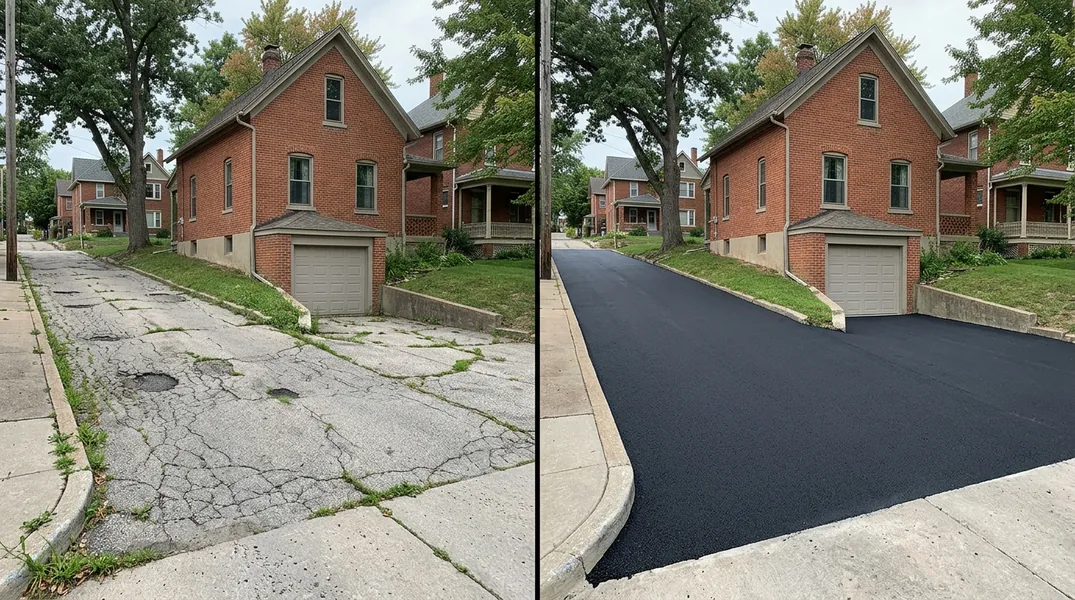
You've just invested in a beautiful new Asphalt Driveway Paving & Installation for your Davenport home. The fresh black surface looks pristine, and you're eager to start using it. But before you pull your car into the driveway, it's important to understand the curing process. Asphalt doesn't harden instantly after installation. Instead, it goes through a gradual curing period where the material continues to set and strengthen.
The typical curing time for new asphalt ranges from 6 to 12 months, depending on several factors including weather conditions, asphalt thickness, and ambient temperature. During the first few weeks, the asphalt will continue to harden as the oils within the mixture evaporate and the aggregate particles bond more firmly together. In Davenport's climate, where temperatures fluctuate significantly throughout the year, the curing timeline may vary. Warmer months typically speed up the process, while cooler seasons slow it down. Understanding this timeline helps you make informed decisions about how you use and maintain your new driveway.
How Long Before You Can Drive on New Asphalt: The Critical First Days
Many homeowners ask the same question: how soon can I drive on my new asphalt? The answer is more nuanced than a simple timeframe. While your driveway may feel solid within 24 to 48 hours after installation, driving on it during this period can cause damage. The asphalt's surface layer is still relatively soft, and vehicle tires can create indentations, especially on hot days when the material becomes more pliable. For this reason, most professional paving contractors recommend waiting at least 48 to 72 hours before driving on new asphalt, and longer if possible.
If you must drive on your new driveway before the recommended waiting period, drive slowly and avoid sharp turns or sudden stops. Heavy vehicles and loaded trucks should definitely wait the full recommended time. After about a week, your driveway will be firm enough for normal driving, though it will continue to cure for months. During the first month, try to avoid parking in the same spot for extended periods, as this concentrates weight and heat in one area. If you're unsure about whether your specific driveway is ready for traffic, the professionals at Davenport Asphalt Paving can provide guidance based on your installation conditions and weather patterns.
New Asphalt Driveway Care During the First Weeks and Months
Proper care during the early stages of your driveway's life sets the foundation for long-term durability. New asphalt driveway care begins immediately after installation and extends through the first several months. One of the most important steps is avoiding substances that can soften the asphalt, such as gasoline, oil, and harsh chemicals. Even though your driveway appears solid, these materials can penetrate the surface and cause deterioration. Clean up any spills promptly, and be cautious when refueling vehicles in the driveway.
During the first month, keep heavy equipment and machinery off the driveway. Avoid parking large vehicles like RVs or trailers on the surface while it's still curing. Additionally, be mindful of water drainage. While asphalt is designed to handle moisture, excessive pooling of water in the first few weeks can interfere with proper curing. If you notice areas where water collects, address drainage issues promptly. Finally, resist the urge to apply sealant immediately after installation. Most contractors recommend waiting 6 to 12 months before applying the first seal coat, allowing the asphalt to fully cure and any remaining oils to evaporate. If you have questions about caring for your new installation, Davenport Asphalt Paving is just a phone call away at (563) 200-7510.
How Often to Seal Driveway: A Long-Term Maintenance Strategy
Once your asphalt has fully cured, the next critical step in protecting your investment is understanding how often to seal driveway surfaces. Seal coating is a protective layer that shields asphalt from UV rays, water infiltration, and oxidation. For most homeowners, applying a seal coat every 2 to 3 years is the industry standard. However, the exact frequency depends on your local climate, traffic volume, and how well you maintain the driveway. In Davenport, where winters are harsh and UV exposure is significant, you may benefit from seal coating every 2 to 2.5 years rather than waiting the full 3 years.
The first seal coat should be applied 12 to 18 months after installation, once the asphalt has completely cured. This initial application provides crucial protection during the material's most vulnerable phase. After that, regular seal coating becomes part of your maintenance routine. Many homeowners think of seal coating as an optional cosmetic enhancement, but it's actually a cost-effective investment in longevity. Seal coating can extend your driveway's lifespan by 5 to 10 years compared to unsealed asphalt. If you notice your driveway looking faded or dull, that's often a sign that seal coating is needed. For professional seal coating services or advice on your specific driveway's needs, contact Davenport Asphalt Paving for a free estimate.
Preparing Your New Asphalt for Davenport's Winter: Essential Steps
Winter in Davenport presents unique challenges for new asphalt driveways. If your driveway was installed in spring or summer, you'll want to take specific precautions before the cold weather arrives. The freeze-thaw cycle that occurs during winter can be particularly hard on asphalt that hasn't fully cured. Water seeps into small cracks and pores, freezes, expands, and then thaws, causing further damage. To minimize this risk, ensure your driveway is properly sealed before winter arrives. If your driveway was installed less than 6 months before winter, consult with Davenport Asphalt Paving about whether an early seal application is advisable for your situation.
Another winter consideration is snow removal and de-icing products. While you'll need to clear snow from your driveway, avoid using metal shovels that can scrape and damage the surface. Plastic shovels are gentler on asphalt. When it comes to de-icing products, avoid rock salt if possible, as it accelerates asphalt deterioration. Instead, use calcium chloride or magnesium chloride, which are less harmful to asphalt. If you must use salt, apply it sparingly and rinse the driveway with fresh water in early spring. If your driveway needs Driveway Repair after winter, don't hesitate to reach out. Minor damage caught early is much easier and more affordable to address than extensive deterioration.
When to Call Professionals: Asphalt Driveway Paving & Installation Near Me
While understanding asphalt care is valuable, sometimes the best decision is to trust the professionals. If you're experiencing issues with your new driveway or you're planning a future installation, knowing when to call experts makes a significant difference. Professional asphalt contractors have the knowledge to assess curing progress, recommend appropriate maintenance schedules, and address any emerging problems before they become costly. Whether you're dealing with unexpected cracks, soft spots, or simply want expert guidance on seal coating timing, having a reliable local contractor is invaluable.
Davenport Asphalt Paving serves homeowners throughout the area with comprehensive asphalt solutions. From initial Asphalt Driveway Paving & Installation to ongoing maintenance and Asphalt Resurfacing & Overlay services, we're equipped to handle every aspect of your driveway's lifecycle. If you have questions about your new asphalt or need professional maintenance services, contact us at (563) 200-7510 or request a free estimate today. Our team is ready to help you protect your investment and enjoy a beautiful, durable driveway for years to come.
Looking for a professional asphalt paving contractor in Davenport? Davenport Asphalt Paving responds fast for all your asphalt paving needs.
Get a Free Quote